

At the Colorado TRaIL, we are equipped to perform all stages of both conventional and in situ (U-Th)/He analysis including He extraction and measurement, U-Th-Sm analysis, mineral separation, and sample preparation.

He Extraction and Analysis Lab
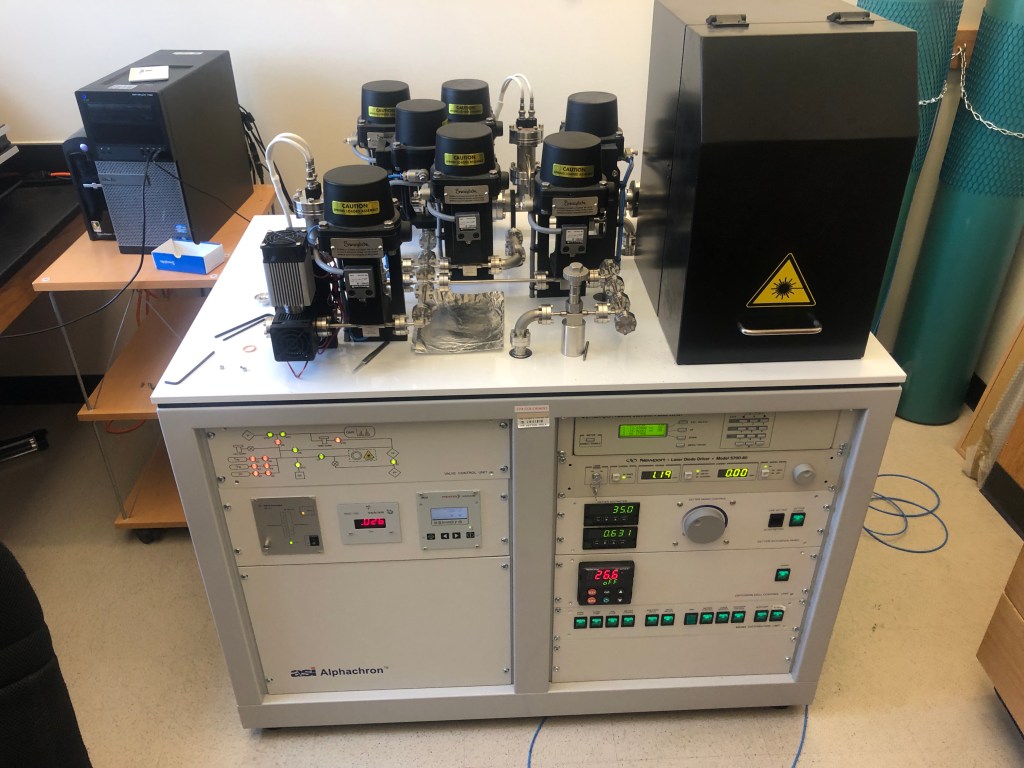
At CU we have to ultra-high vacuum He extraction lines. The first, installed in 2012, is an ASI Alphachron. The line was acquired using an NSF Instrumentation and Facilities grant to Flowers (NSF # 1126991). Individual samples are heated using a diode laser. Sample gas is spiked with 3He, purified with SAES getters, and analyzed on a Pfeiffer Balzers QMS quadrupole mass spectrometer. Heating and measurement are automated using Alphachron software. Currently the machine can hold 25 samples at a time. Our facility can degas all minerals, including apatite, zircon, monazite, sphene, and garnet, and can easily measure the He content of single crystals.
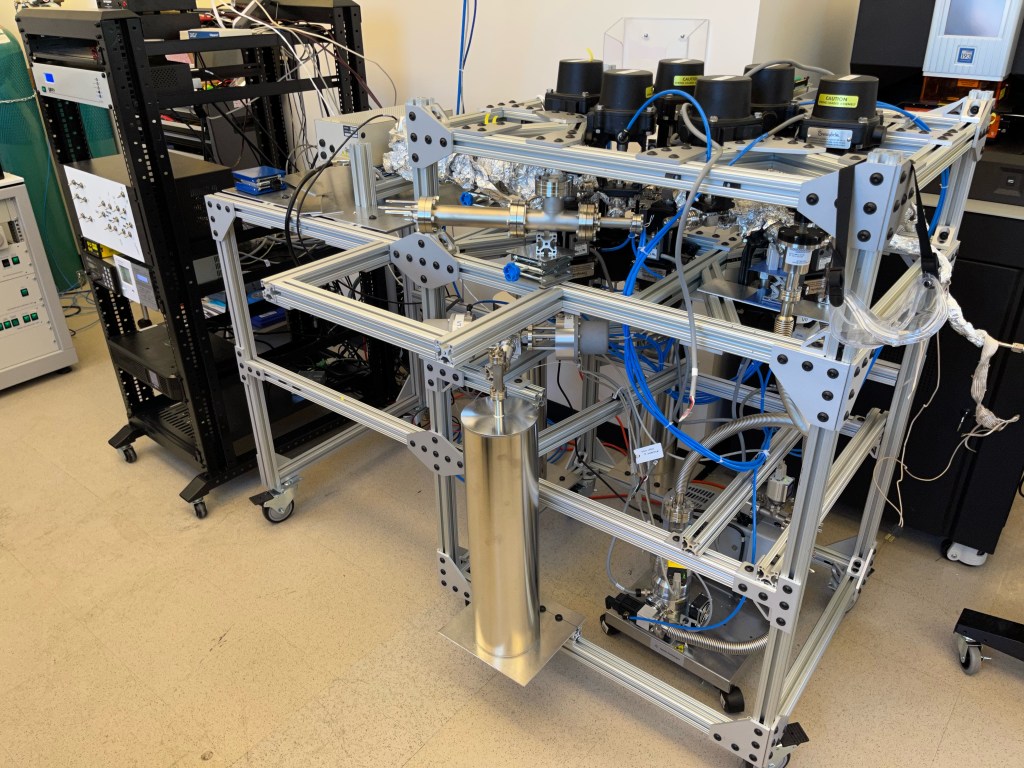
The second He analysis line is a custom built and designed system completed in 2023. This system was specifically designed to be used for in situ, laser ablation He analysis, and features a very small internal volume, excimer laser compatible sample cell, and Hiden 3F quadrupole mass spectrometer. While specifically designed for in situ He analyses, this line will also host a continual ramped heating diode laser set up manufactured by Bruce Idleman at Lehigh University. This new He line was built using funds acquired from NSF by Flowers and Metcalf (NSF # 1920648).
(LA) ICP-MS Facility
U, Th, Sm, and other elements are measured using an Agilent 7900 ICP-MS. Sample introduction can be accomplished in two different ways: as a solution (dissolved minerals) or using a 193 nm Excimer laser.
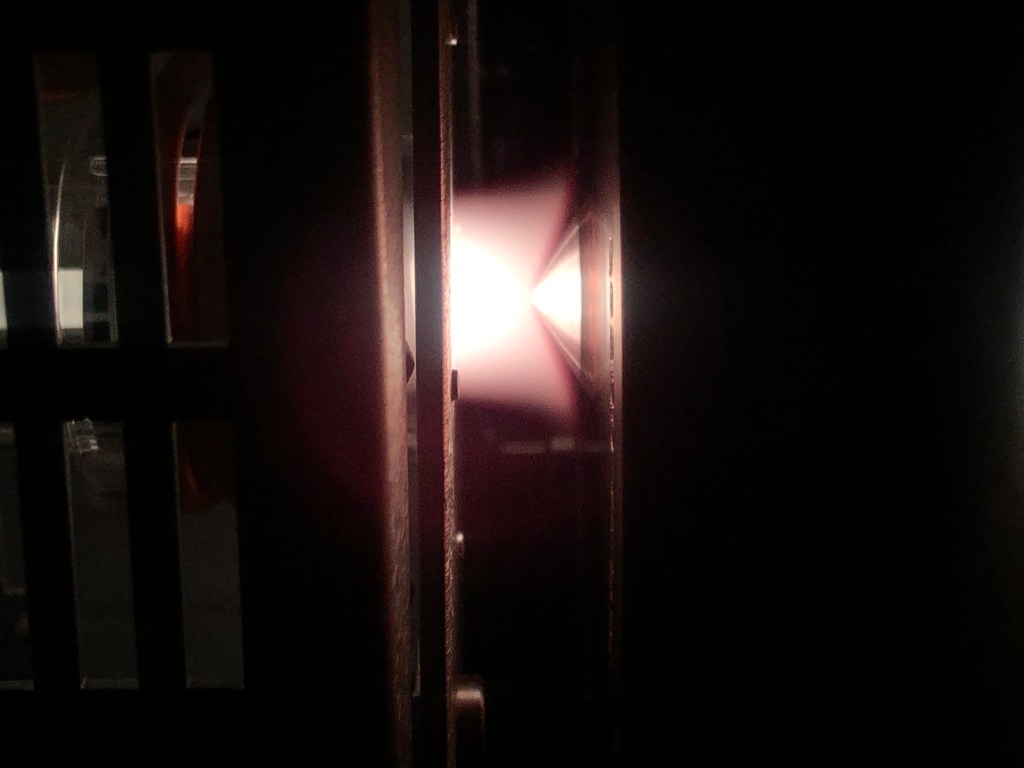
The ICP-MS and solution introduction system were installed in 2017 thanks to an NSF Instrumentation and Facilities Grant to Flowers and Metcalf (NSF #1559306). Below is an image of dissolved apatites in the Agilent SPS4 autosampler attached to the ICP-MS. The Teflon sampler takes up a few hundred microliters of the solution for each analysis.


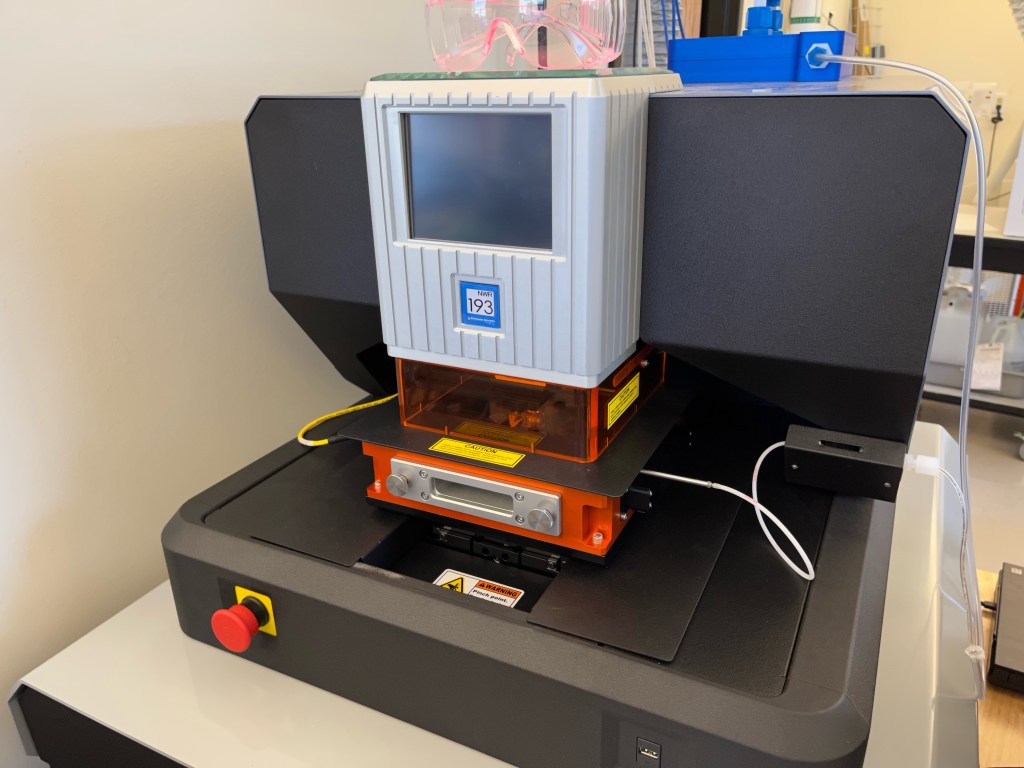
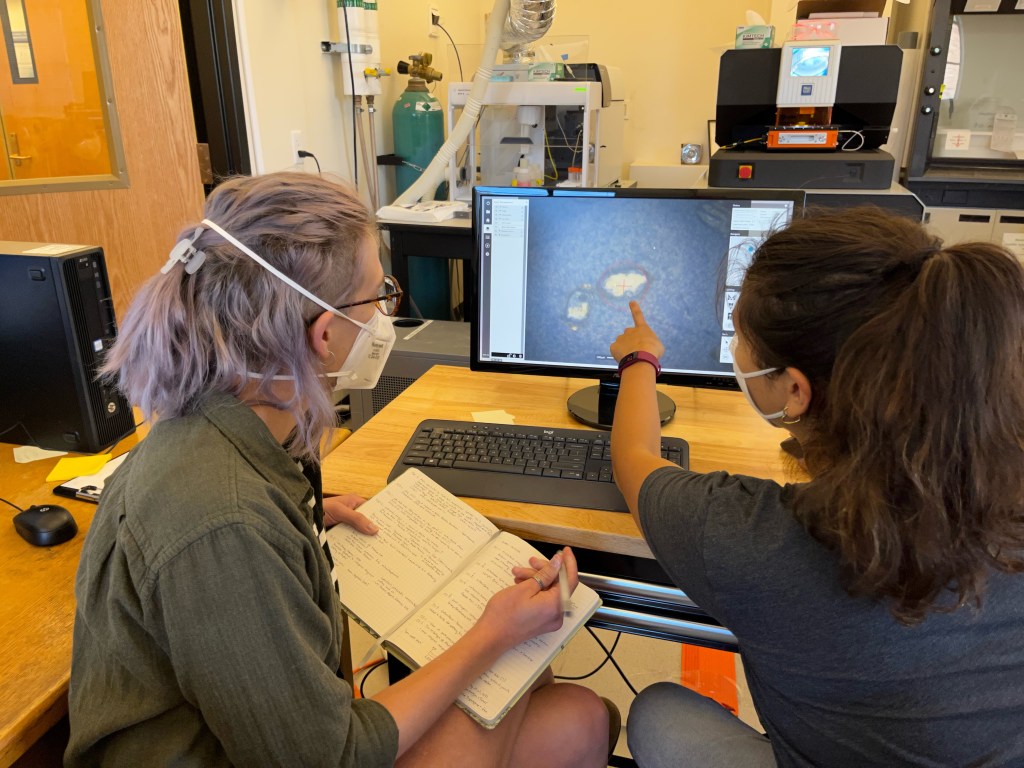
The Excimer Laser Ablation system was acquired in 2020 with an NSF grant to Flowers and Metcalf (NSF # 1920648). The ESI NWR193 excimer laser system used 193 nm laser pulses to directly ablate samples. When attached to the ICP-MS, the ablated material is carried into the plasma inlet in a stream of He gas, where rapid measurements of U, Th, Sm, Pb, and many other elements are made by the Agilent 7900 ICP-MS.

Optical Profiling Lab
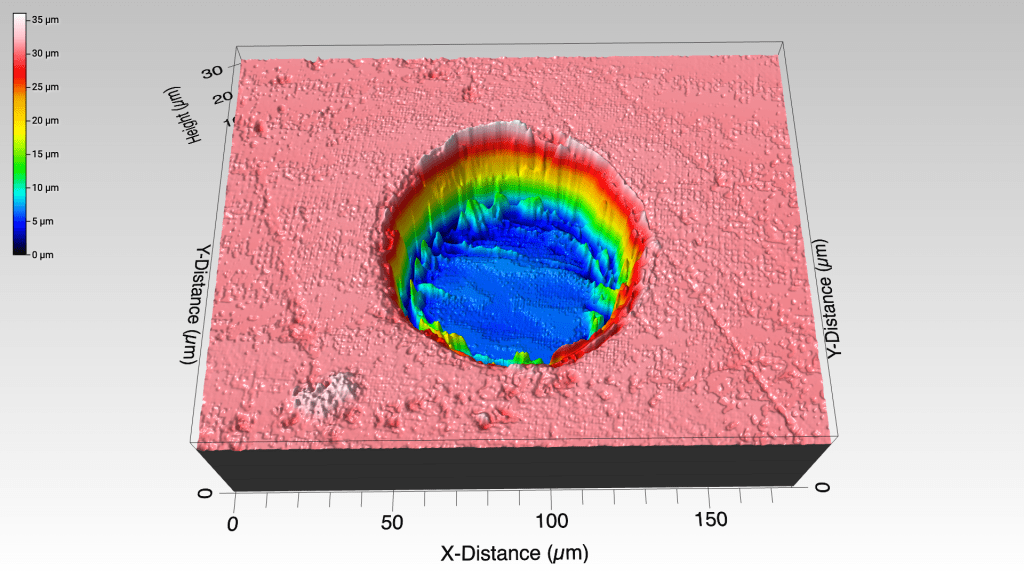
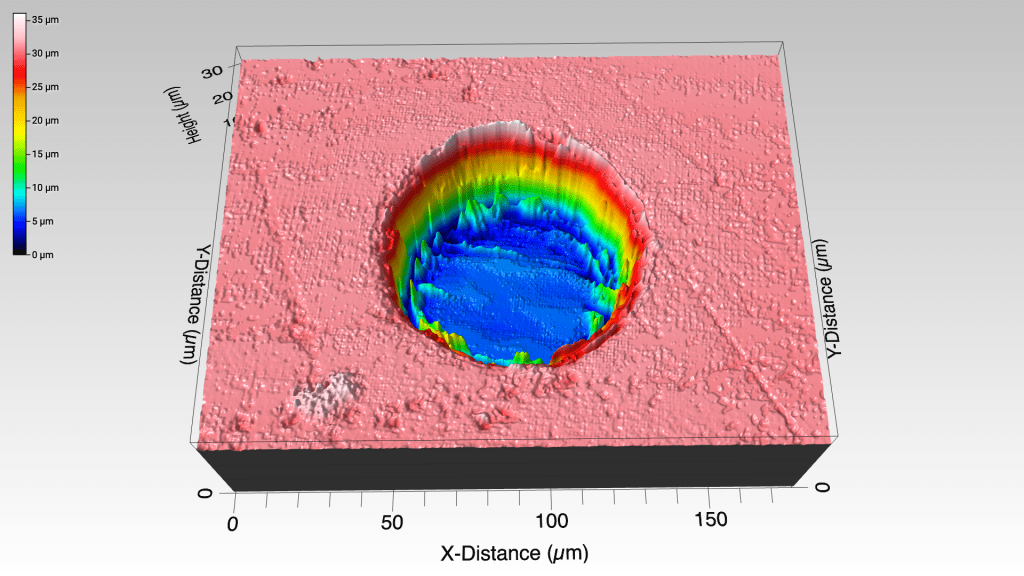
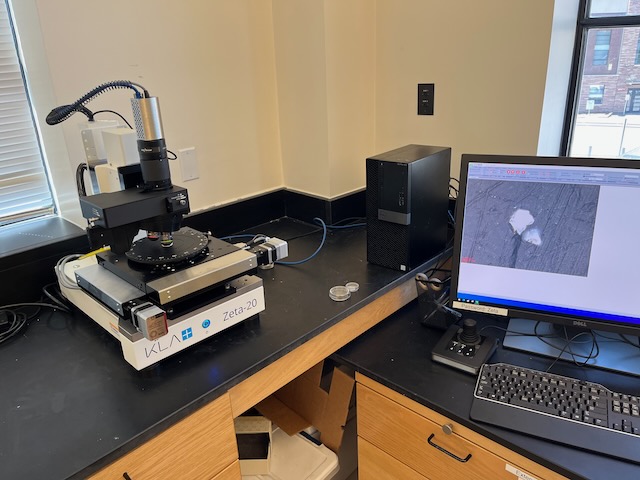
In situ (U-Th)/He chronology requires accurate knowledge of the amount of material that has been ablated for an individual measurement. To measure the ablation pits we use a KLA Zeta-20 Profilometer acquired with an NSF grant to Flowers and Metcalf (NSF # 1920648). The Zeta-20 is cabale of accurately and precisely measuring pit volumes.

Clean Lab
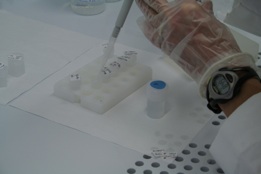
After the grains are degassed, we prepare them for ICP-MS analysis in our clean lab wet chemistry facility, located on the 4th floor of Benson Earth Sciences. This lab is equipped with a metal-free acid hood, laboratory oven, and Parr bombs for acid-vapor dissolution. We routinely dissolve both apatite and zircon in this facility.

Mineral Separation Facilities
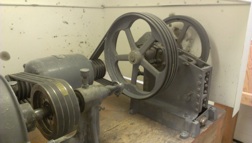
The CU Thermochronology lab is equipped for all stages of mineral separation. The department has a Bico rock crusher and pulverizer. The lab owns a Wilfley water table, Franz magnetic separator, and heavy liquid (LMT and MEI) lab. These facilities allow us to go from rock to pure apatite or zircon separate relatively quickly.
For a more complete discussion of mineral separation as applied to thermochronology, please check out this write up on the world’s leading thermochronology blog.


Sample Preparation
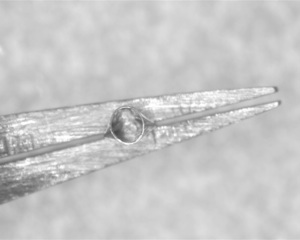
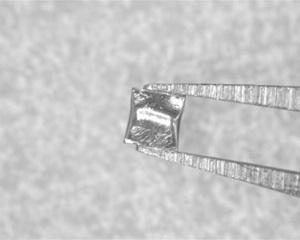
Our sample preparation facilities include three Leica binocular picking scopes with digital cameras for measuring grain dimensions. We have all of the equipment necessary for selecting, characterizing, and packing grains into Nb metal packets. We love to host and train new users, if you are interested please just contact us!


If you’d like to know more about sample preparation, please check out this write-up on the world’s leading thermochronology blog.
 CU TRaIL